Vol. I · The Annals Willowmere Lane A history of the house
The lane remembers
a history of the house, taken from the files and from the land
The house does not print a founding year for the county. It has never liked a date hung above a door, as if the land were a firm with a birthday. What it keeps, it keeps in the files, in the timber, and in the lower water — and in the habit of those who have ridden here long enough to know that the lane was a lane before it was an address.
The lane before the address
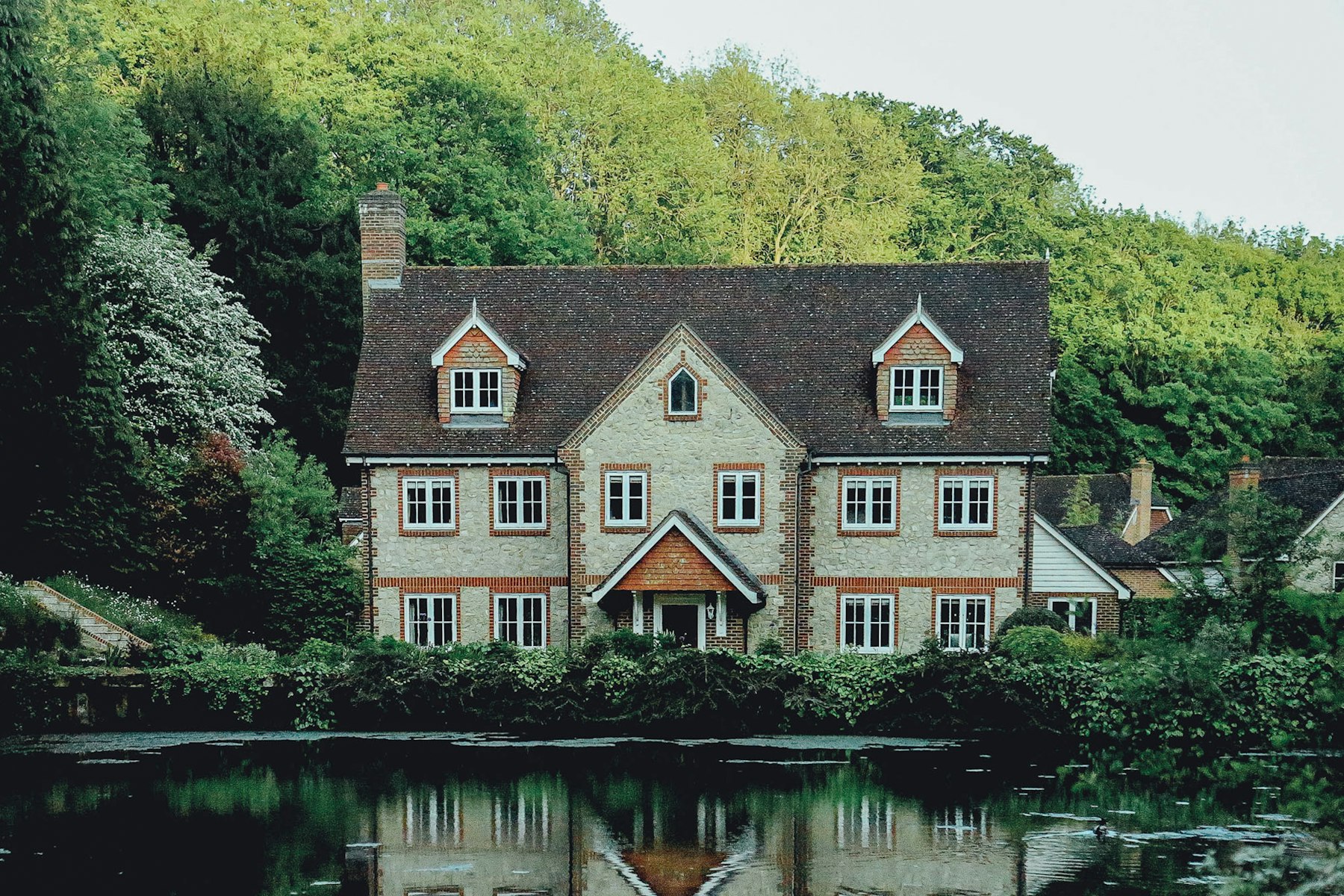
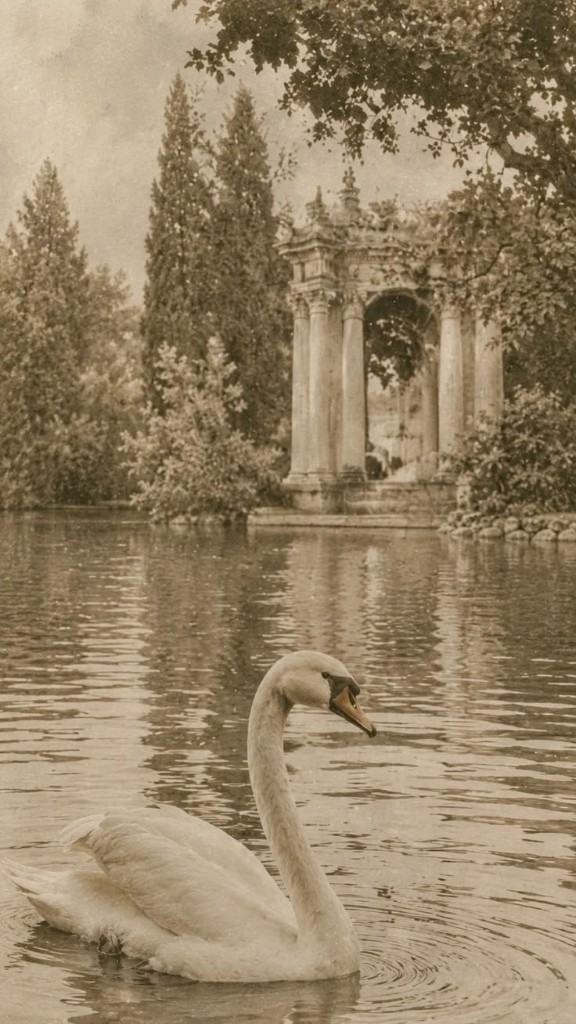
Willowmere is named in a parish hand before it is named in a letter of the house. The road is narrow, then as now, and does not announce the gates. A survey of the lower water speaks of willows already old. A later sheet, foxed at the edge, marks a school of sand and a rail of timber.
A keeping, not a brand
The name Vandrelli enters later still, not as a brand of the neighbourhood, but as a keeping: a family that took the yard as it was, and did not ask the land to become something else. Those who came after wrote the same letter, in a different hand, and were received the same way.
What the house would not become
Through the years that followed, the estate was put up and put up again. Wars came to the county and went. Fashions of riding came and went with them. The house kept the same path along the rail, the same meadow, the same refusal to be hired by the hour.
Seat and rein, as before
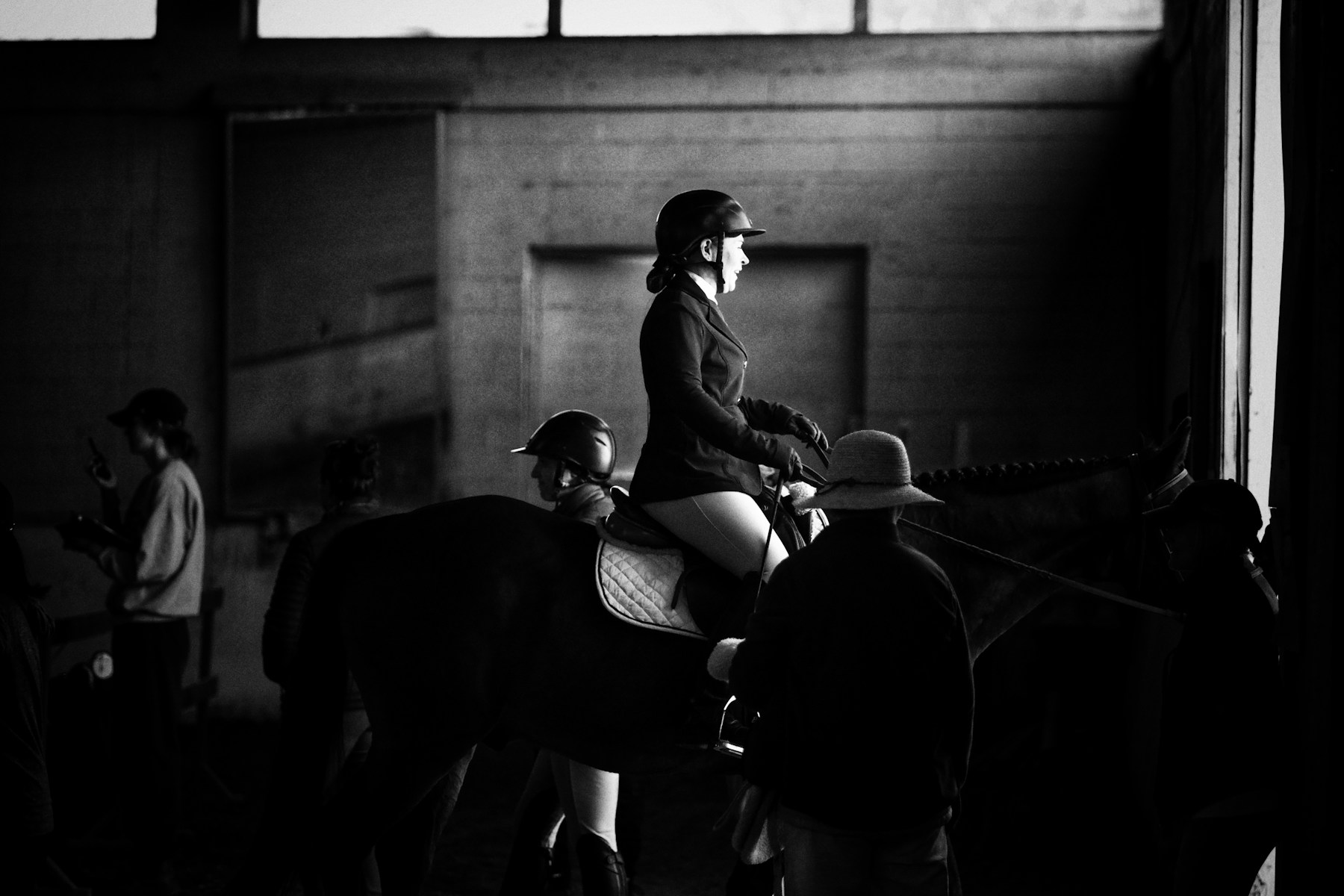
What changed was only the hand that wrote the letter, and the horse that answered from the stall. The work remained a conversation of seat and rein. The land remained the land. This gazette does not offer a tree of names for those who collect such things. It offers the story as the house tells it: how a private yard survived the centuries by remaining small, how the water was never arranged for a plate, and how a morning is still asked for as it was asked for when the files were first tied with string.
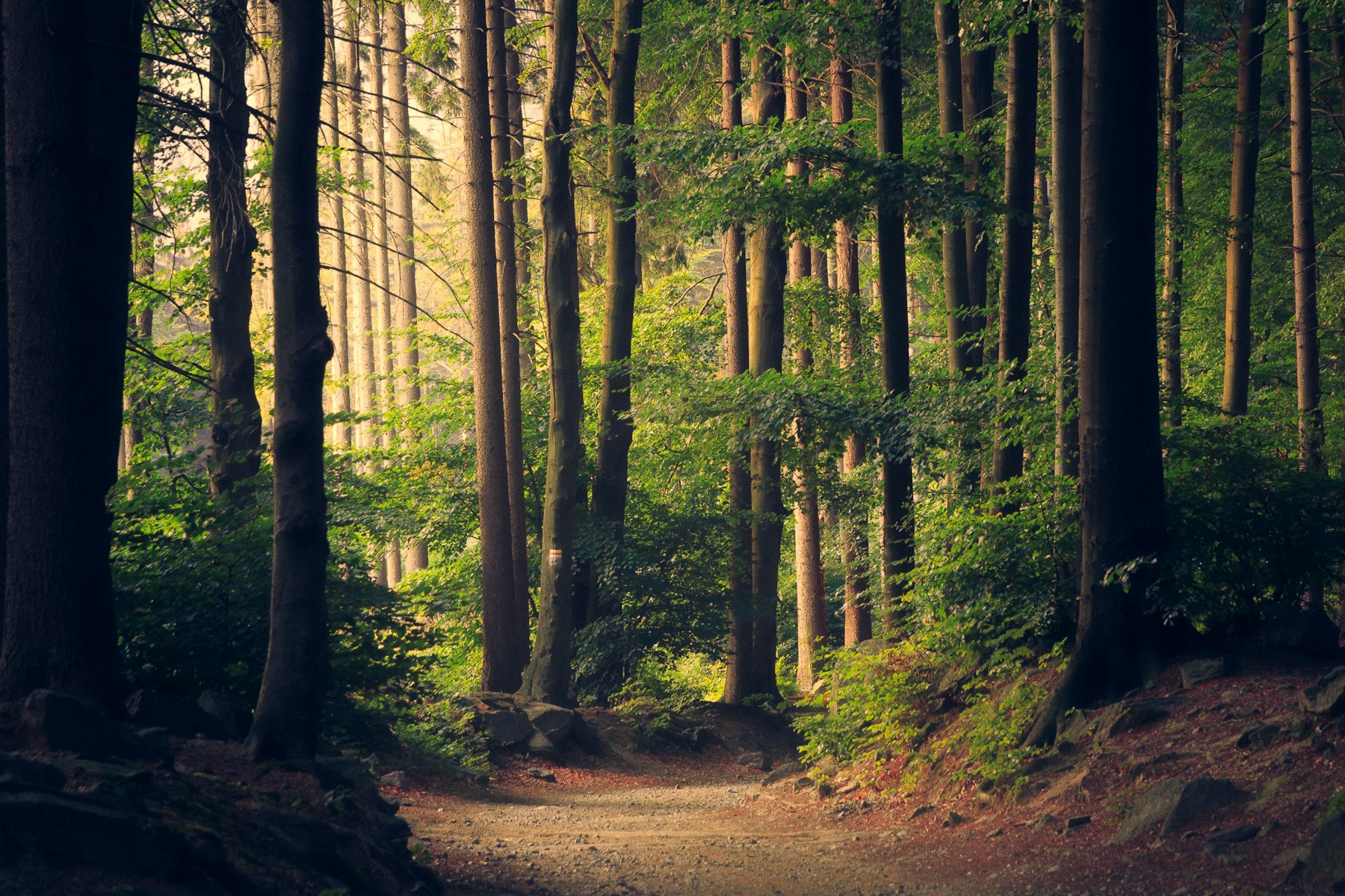
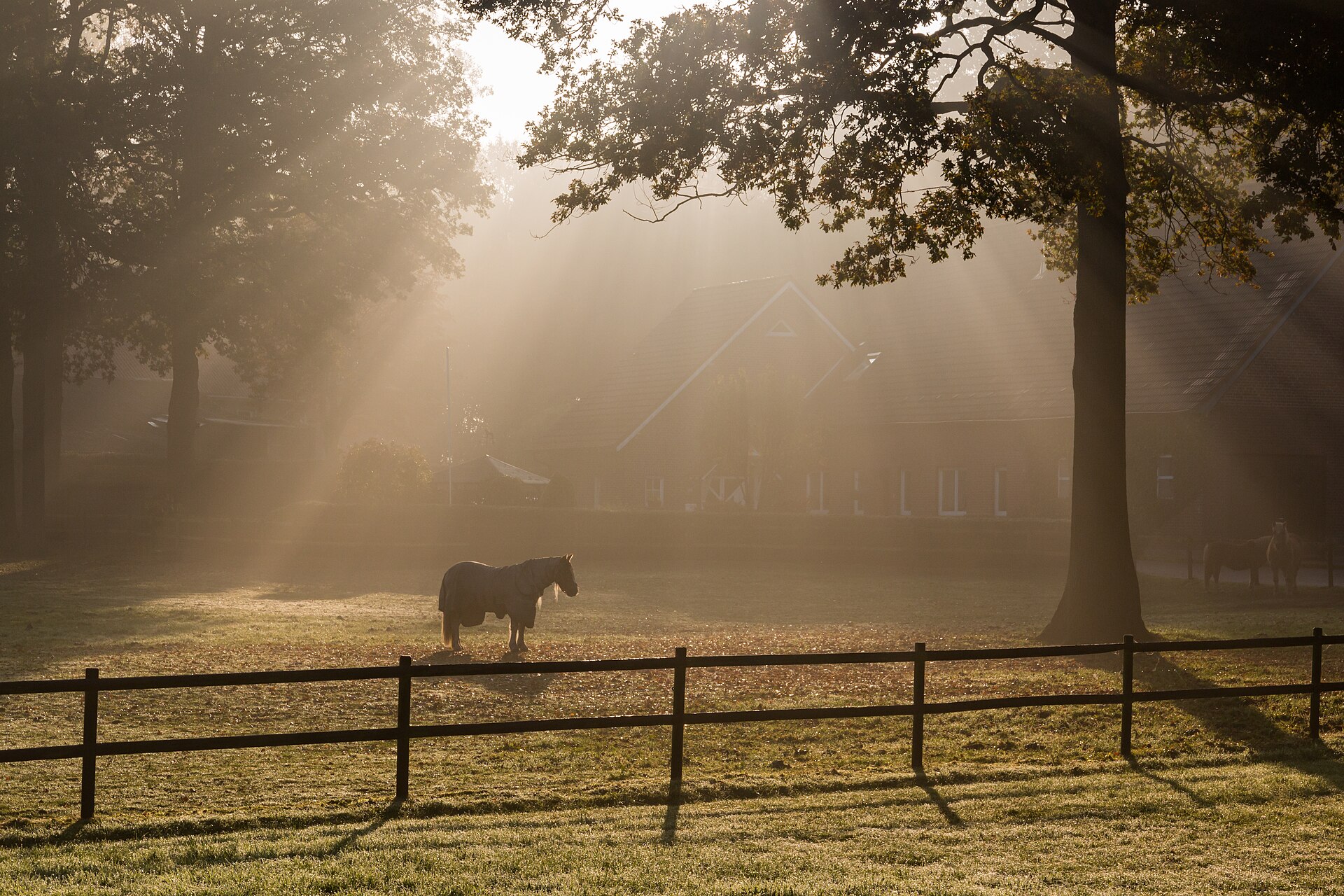
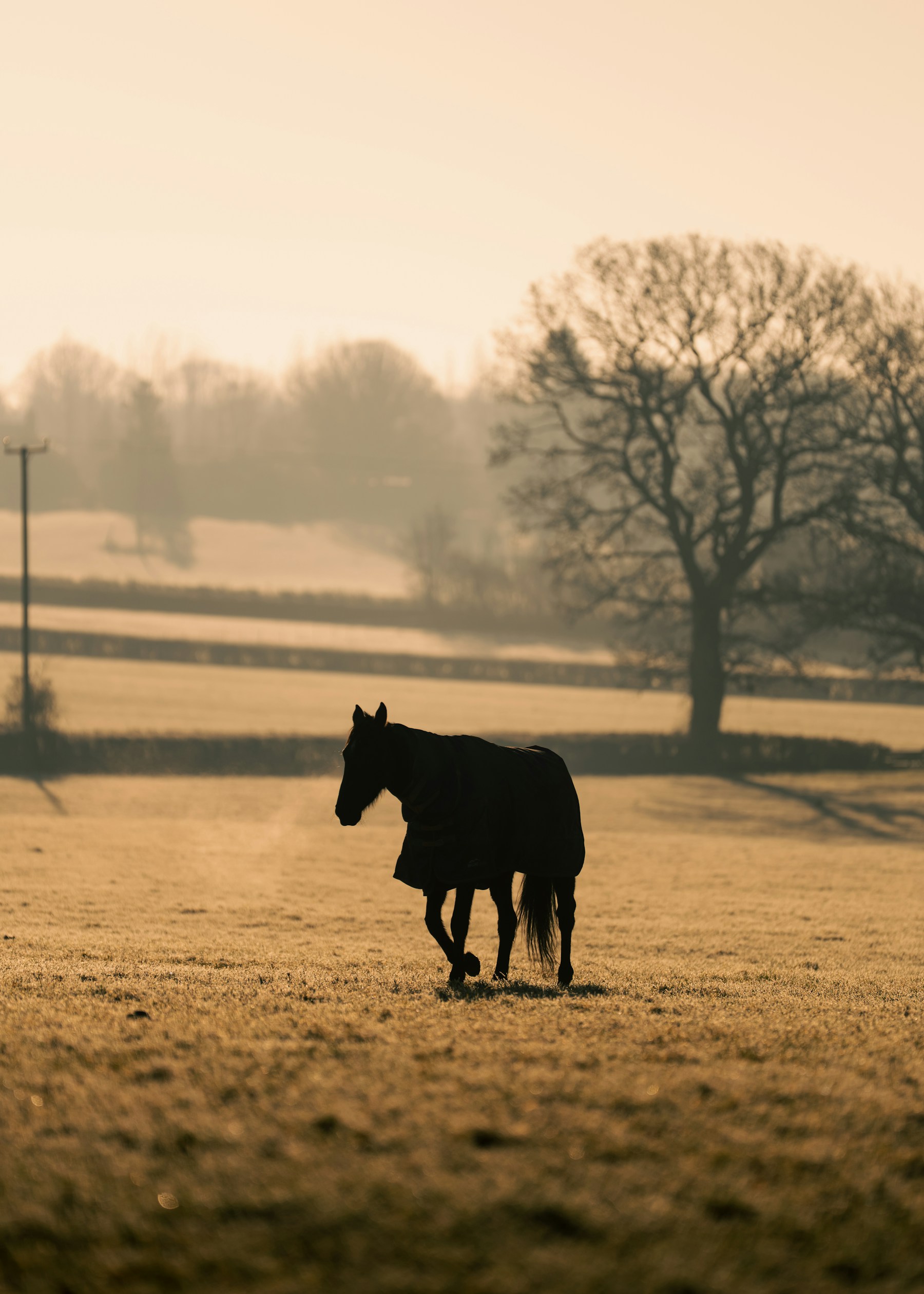
The land is not a backdrop. It is the same land the horses have known in every century the files record — and it is treated as such.
Years in the margin

A note on the name
Vandrelli, as a keeping
The name is Italian in the mouth, and English in the lane. The files do not dramatise the crossing. A family came. They took the yard as it stood. They did not rename the water, or the willows, or the work. Alsio, in the house’s own account, is not a motto. It is a given name that stayed, as names do when a place is kept long enough.
Those who write now write to the house, not to a brand of the neighbourhood. The gazette prints the name as the letters have printed it: a keeping, in ink, on paper that already knew the lane.